











Analog Interconnect
Find the very best analog interconnect cables on the planet
Filters
13 products
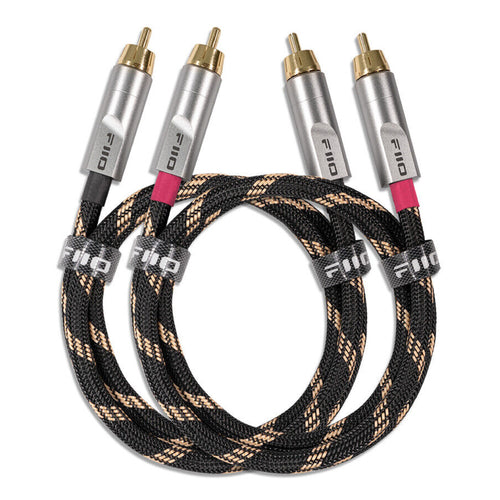
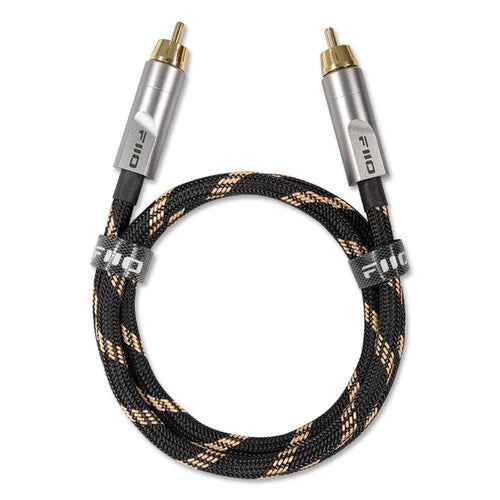
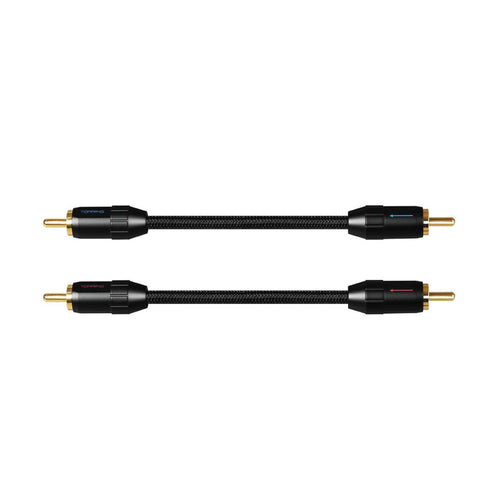
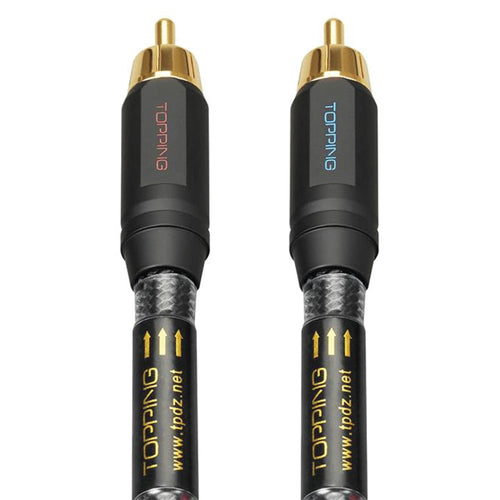
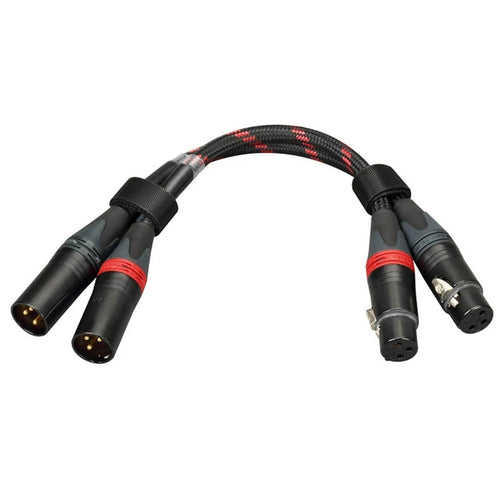
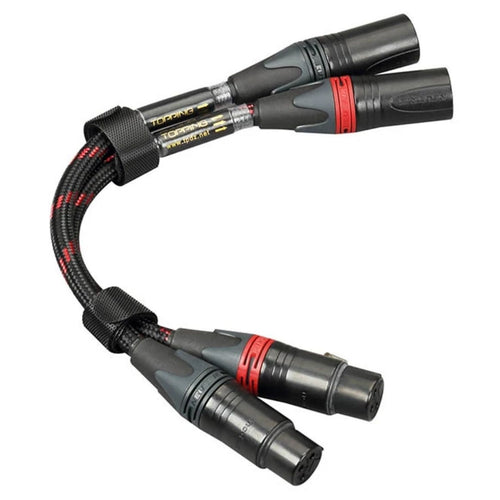
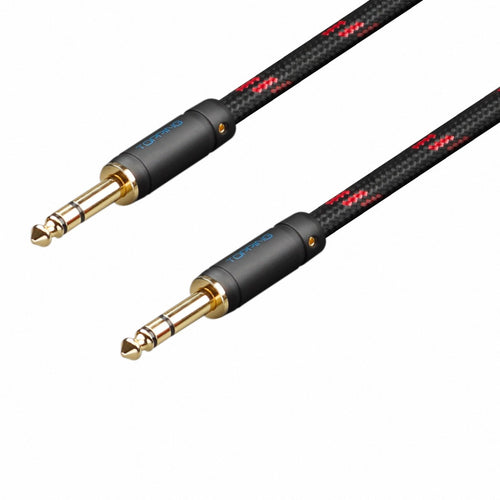
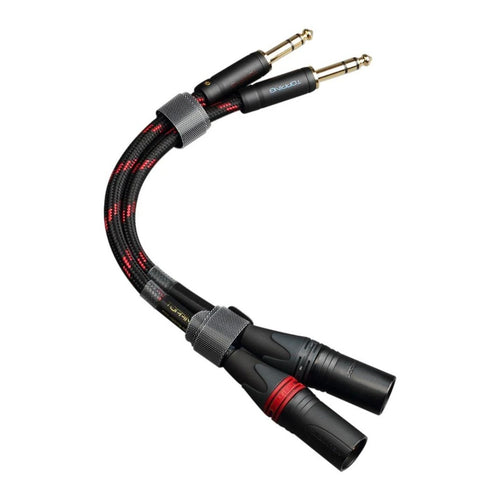
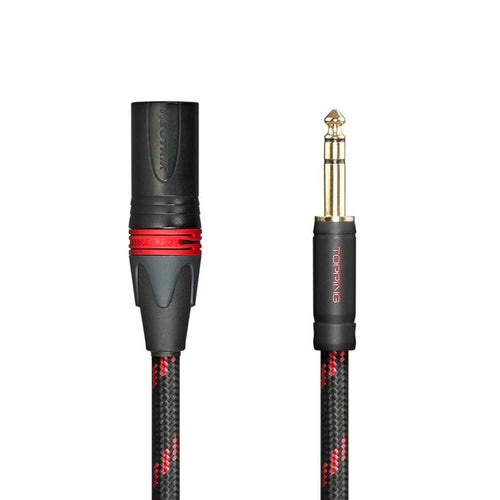
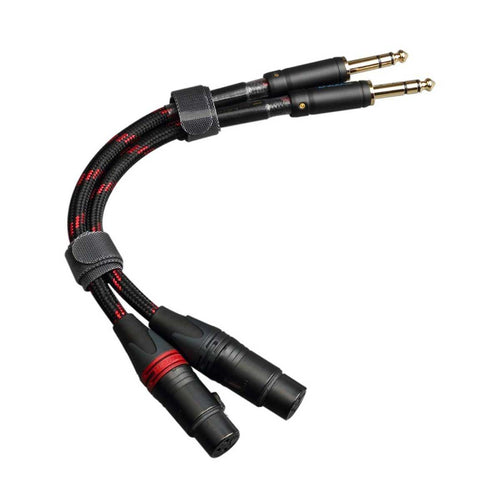
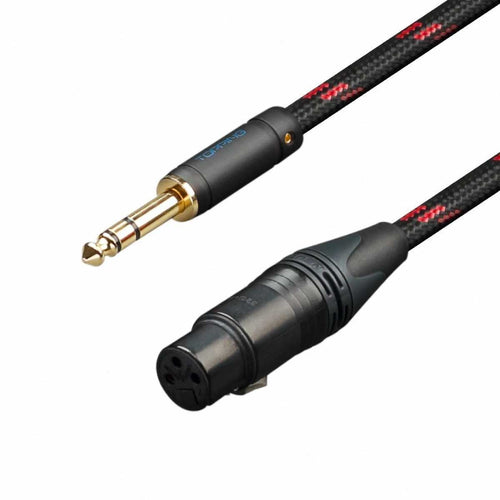
Topping - TCX1
3-Pin Male to 3-Pin Female Balanced XLR Cables
Sale priceFrom ₹ 3,999
Regular price₹ 4,999
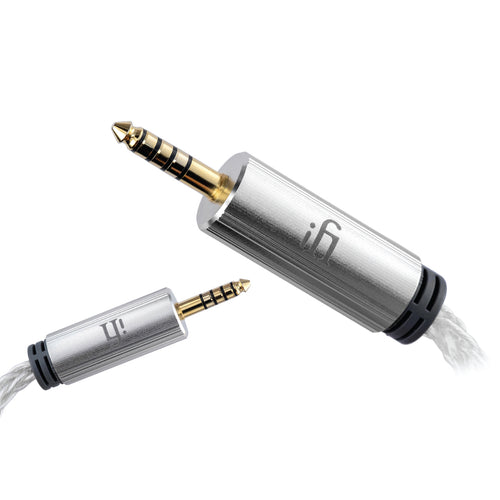
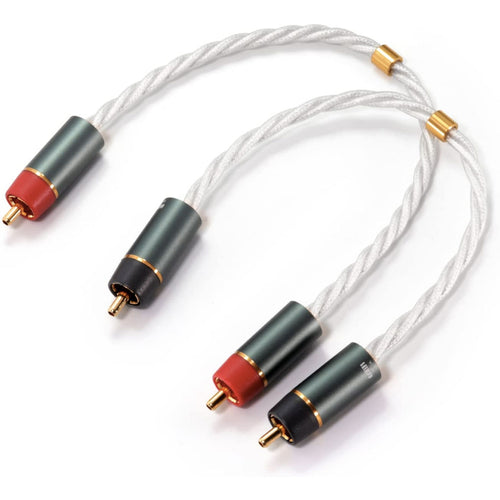
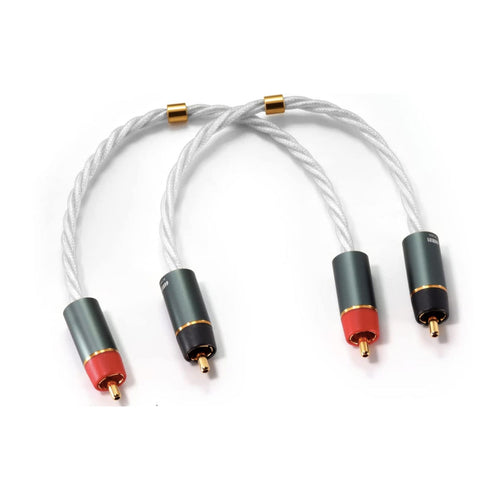
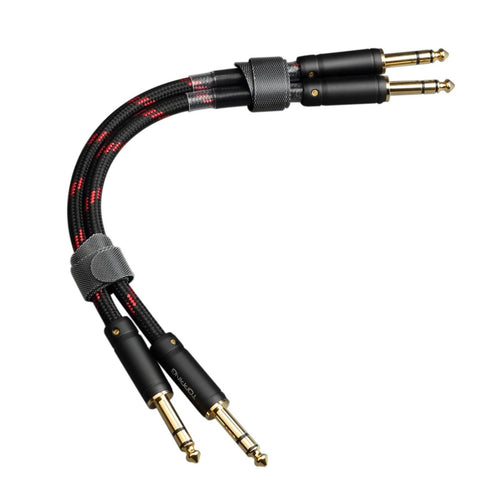




Deal
Pre-order
Pre-order
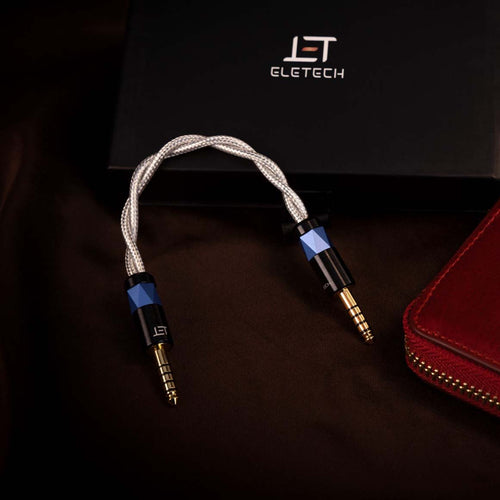

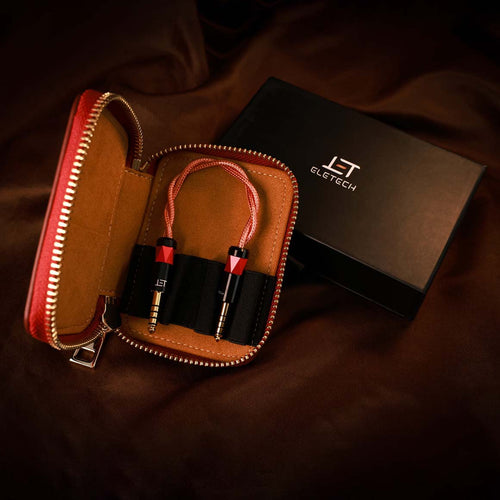
Experience Clean Signal Transfer With Analog Interconnects
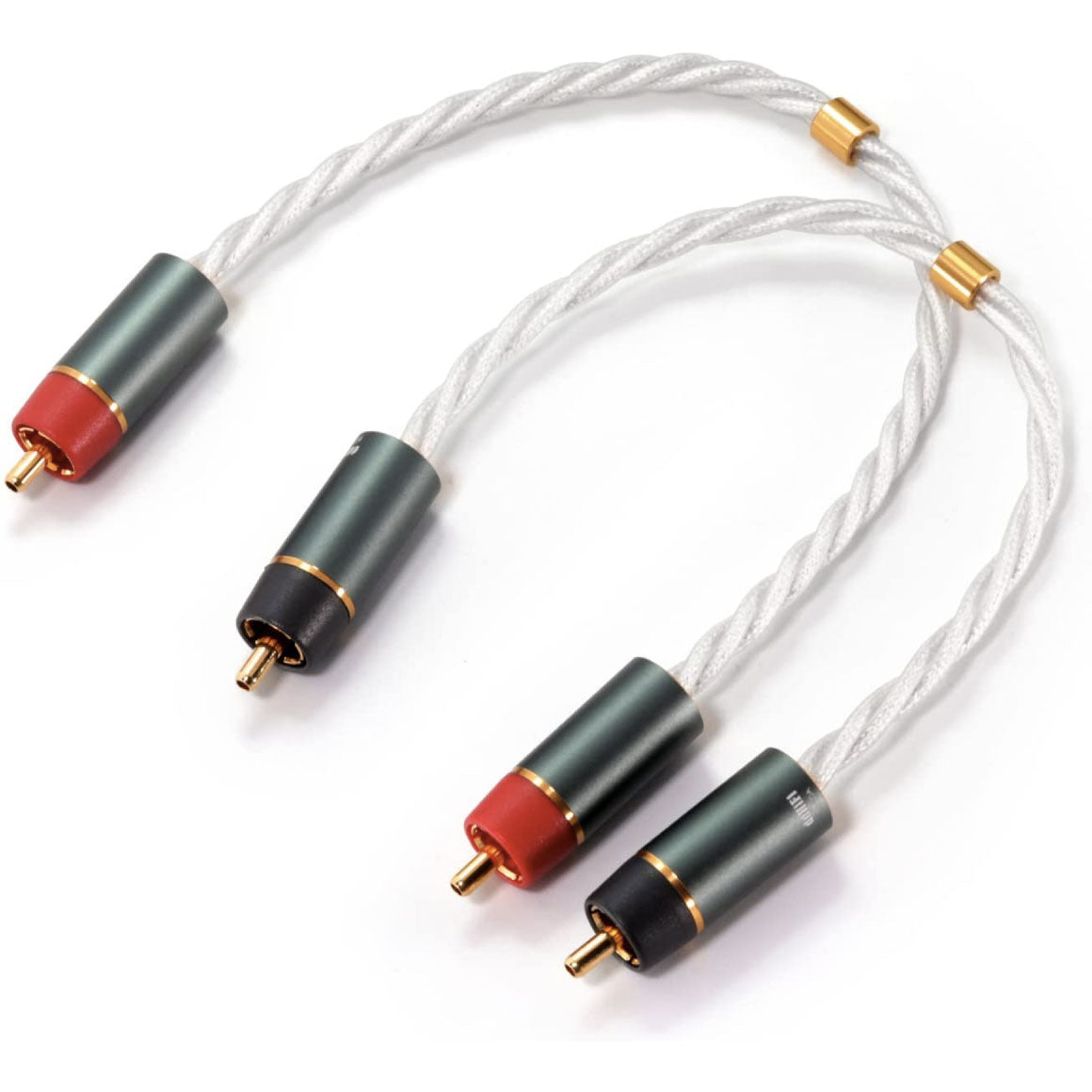
Analog interconnects are audio cables used to carry line-level analog signals between audio components, such as a DAC, CD player, turntable preamp, headphone amplifier, or integrated amplifier. They are one of the most important links in a hi-fi setup because they ensure that the audio signal travels from one device to another with minimal noise or degradation. In simple terms, an analog interconnect takes the audio output from a source device and sends it to an amplifier or another component in your audio chain. Unlike digital cables that transmit 1s and 0s, analog interconnects carry a continuous electrical audio signal that directly represents the sound wave. The most common types of analog interconnects are RCA (unbalanced) and XLR (balanced). RCA cables are widely used in home audio systems for short connections, while XLR cables are preferred in higher-end setups due to better noise rejection and stability over longer runs. At Headphone Zone, we've curated the best analog interconnects for audiophiles who want cleaner signal transfer, better shielding, and a more refined listening experience across their entire setup.
Factors to Consider While Buying Analog Interconnects
Connector Type (RCA / XLR): RCA is the most common unbalanced connection for home audio, while XLR offers balanced transmission with better noise rejection for high-end systems.
Cable Quality & Shielding: Good shielding reduces interference from nearby electronics, ensuring a cleaner and more stable audio signal.
Build & Conductor Material: High-quality copper or silver-plated conductors improve durability and help maintain signal integrity over time.
Length of Cable: Shorter cables generally reduce signal loss and noise pickup, especially for unbalanced RCA connections.
System Compatibility: Ensure the interconnect matches the output and input types of your DAC, amplifier, or other audio components.
Analog interconnects are audio cables used to carry line-level analog signals between audio components, such as a DAC, CD player, turntable preamp, headphone amplifier, or integrated amplifier. They are one of the most important links in a hi-fi setup because they ensure that the audio signal travels from one device to another with minimal noise or degradation. In simple terms, an analog interconnect takes the audio output from a source device and sends it to an amplifier or another component in your audio chain. Unlike digital cables that transmit 1s and 0s, analog interconnects carry a continuous electrical audio signal that directly represents the sound wave. The most common types of analog interconnects are RCA (unbalanced) and XLR (balanced). RCA cables are widely used in home audio systems for short connections, while XLR cables are preferred in higher-end setups due to better noise rejection and stability over longer runs. At Headphone Zone, we've curated the best analog interconnects for audiophiles who want cleaner signal transfer, better shielding, and a more refined listening experience across their entire setup.
Factors to Consider While Buying Analog Interconnects
Connector Type (RCA / XLR): RCA is the most common unbalanced connection for home audio, while XLR offers balanced transmission with better noise rejection for high-end systems.
Cable Quality & Shielding: Good shielding reduces interference from nearby electronics, ensuring a cleaner and more stable audio signal.
Build & Conductor Material: High-quality copper or silver-plated conductors improve durability and help maintain signal integrity over time.
Length of Cable: Shorter cables generally reduce signal loss and noise pickup, especially for unbalanced RCA connections.
System Compatibility: Ensure the interconnect matches the output and input types of your DAC, amplifier, or other audio components.